OEGlobal 2026
The Open EdTech Advantage
Winning support (and funding) in a proprietary world
Taylor Jadin · Reclaim Hosting

Hello!
Taylor Jadin
- Systems Administrator and Director of Operations at Reclaim Hosting
- Instructional Technologist
- Teacher
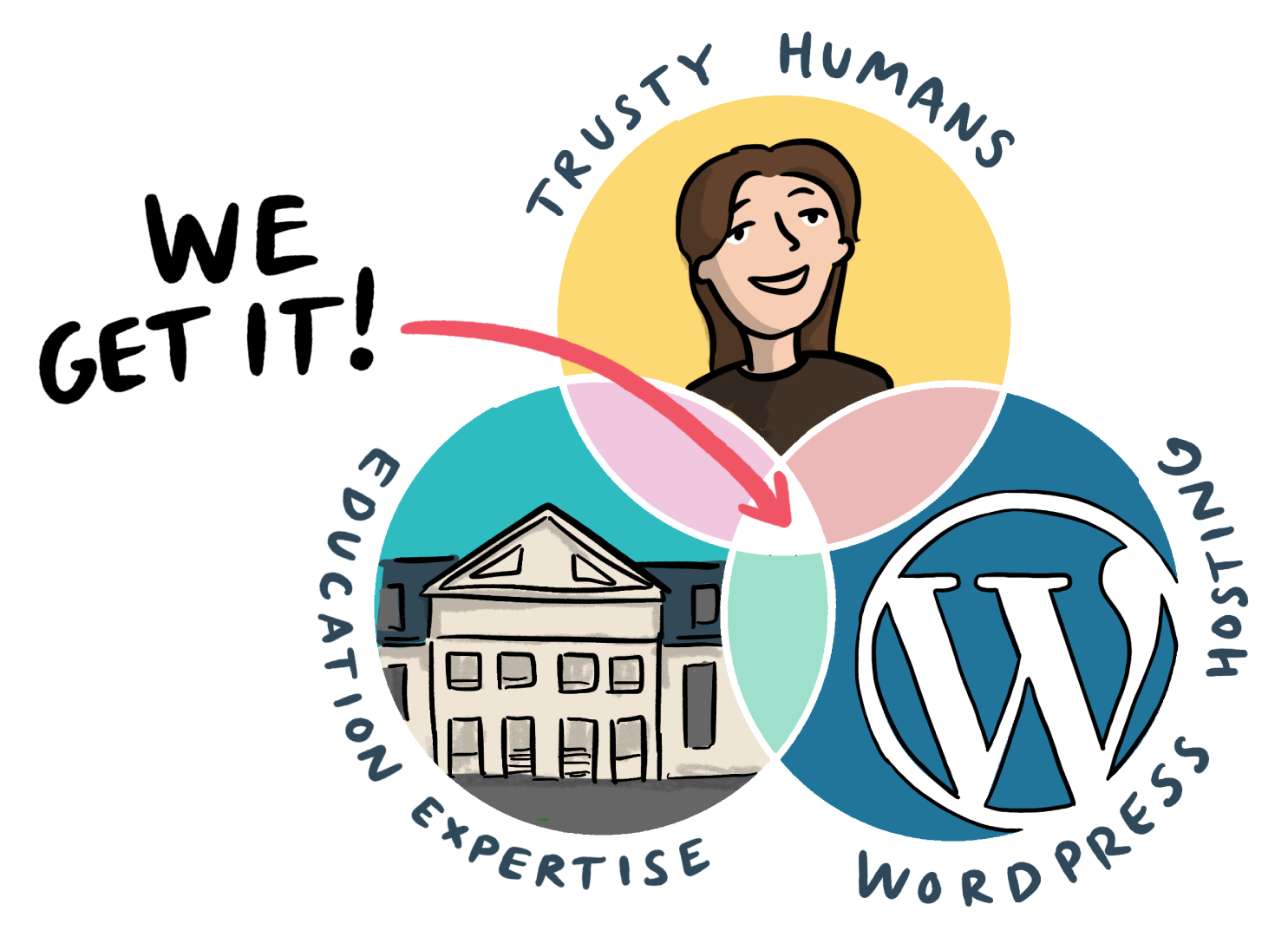
Reclaim Hosting
Web hosting for education since 2013, at over 100 institutions.
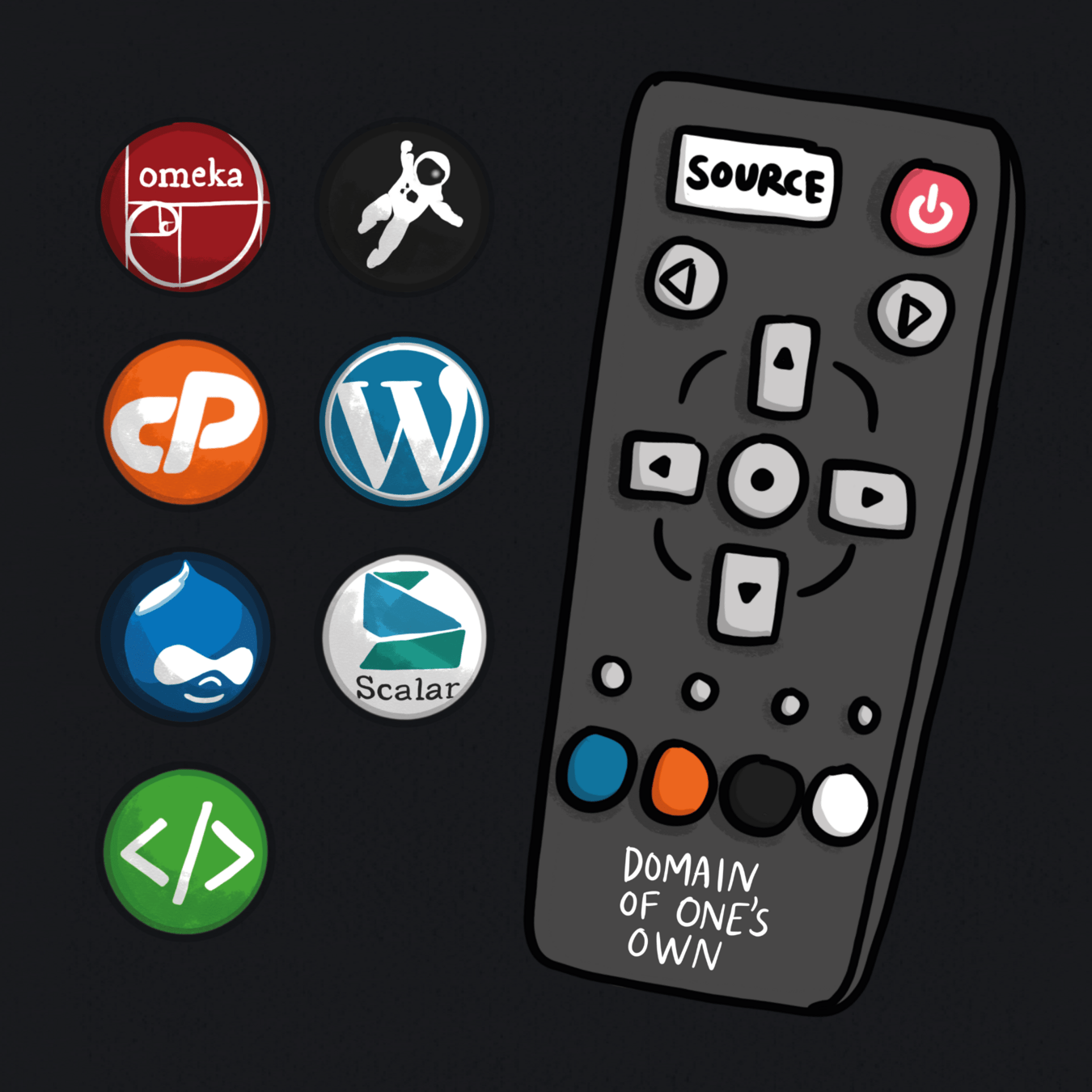
- Domain of One's Own. Students and faculty log in with campus credentials and get their own domain, with 150+ open source apps one click away
- Managed hosting. Bigger projects like WordPress Multisite
- Reclaim Cloud. Containers for nearly anything else, DIY, pay as you go
- Shared hosting. Cheap plans for individuals
- Workshops, Reclaim TV, and a podcast network
Affordability and access
Open pedagogy
Ownership
Affordability and access
Open pedagogy
Ownership
Who owns the tools?
Who runs them?
What happens to your work when the tools change?
Affordability and access
Open pedagogy
Ownership
Who owns the tools?
Who runs them?
What happens to your work when the tools change?
Your next project needs "open stuff" powering it
- A platform change shouldn't be what ends your project
- Your OER's license says anyone can revise and remix it. The platform decides whether they actually can.
- If the vendor shuts down, gets bought, or raises prices, can you take the work with you?
What I mean by "open stuff"
Open source software
You can read the code, run it yourself, and change it
Open formats
Your content opens in more than one program, and will still open in twenty years
Standard stacks
Lots of hosts can run it, and lots of people know how
- Can you look at or modify the code?
- Can you move it to another web host, run it on your own laptop?
- Does it produce a file you can download and view/edit?
and/or
and/or
Some examples
Publishing
WordPress, Pressbooks, Commons In A Box, Omeka, Drupal, Ghost
HostinG
LAMP, Docker, Git repositories
Formats
Markdown, plain text
Is there still room for open?
Security. Accessibility. Responsible AI use. Procurement policies.
Institutions are asking whether open tools can sit next to the core digital estate.
The usual pitch
"Open source is cheaper."
- True sometimes
- Not very persuasive
- Sets you up to lose the moment a vendor offers a discount
A better pitch
Choosing open is an investment in people.
- The expertise stays on your campus, with your team
- The tool can be bent to fit the needs of teachers and learners
- You decide when it changes, and when and how it ends
Three things building on open gets you
1
You can start small and prove an idea
2
You can make it yours and invest in it
3
You have options at every stage of the project's life
First, four case studies.
Watch for these three things in each one.
Case study 1 of 4
Blogs@Baruch
It started in 2008 with one WordPress site for one class.
- One class became a few, then WordPress Multisite for every first-year seminar, writing-intensive courses, centers, and clubs
- Privacy options allow for publishing to the open web, or private blogging just amongs a single class
- They keep sites from generations of classes, so the platform is a history of its community
Users should "share both the burden and excitement of innovating with technology."
~10,000
student sites
~63,000
users
Case study 1 of 4
Blogs@Baruch
Case study 2 of 4
SUNY Oneonta OpenLab
Ed Beck and team wanted portfolios students could keep and take with them.
Stage 1
Tested Commons In A Box OpenLab on SUNY's existing shared Domain of One's Own
Stage 2
Proof of concept turned into real projects, one at a time
Stage 3
Hundreds of sites later, it became an enterprise service
"Open Source is enterprise software.
Training, infrastructure, outreach, support and so on, that is all part of that step to move from hobby-ist to enterprise. Part of the planning for growth of OpenLab was thoughtful accounting for what could be done internally by the team at SUNY Oneonta and where the project would be best served with managed services from Reclaim Hosting."
Ed Beck
Case study 2 of 4
SUNY Oneonta OpenLab
Case study 3 of 4
Brown's Center for Digital Scholarship
Cody Carvel helps faculty turn research questions into working tools.
African Poetry Digital Portal
WordPress + Omeka
Inscriptions search
A search tool for 10,000 ancient inscriptions
AI word similarity
An experimental tool built with PyTorch
Containers on Reclaim Cloud mean trying an idea is cheap, and costs stay visible.
Case study 3 of 4
Brown's Center for Digital Scholarship
Case study 4 of 4
A decade at Stanford
- Domain of One's Own since 2015, stems from institutional web hosting that started in the early 90s
- Labs, course sites, portfolios, research showcases
- Annual audits and account cleanup keep it secure and affordable
“
Talking to users and reaching out to our community regularly is key.
Ekanatha Pai, Stanford
Case study 4 of 4
A decade at Stanford
1. Start small
Wide proof of concept
- A sampler of what the "premium" version might do
- You assume the paid tier fills the gaps
- Needs a vendor, a contract, a pilot
- Proves a sales demo works
Deep proof of concept
- Every feature, because it's all free and open
- You find the gaps yourself
- Starts with a laptop and an afternoon
- Proves your idea works
Your own computer
Nobody has to approve a laptop experiment
Runs WordPress in a browser tab
playground.wordpress.net
Docker and Docker Compose
For anything more complicated
Cheap hosting
A shared hosting account or Domain of One's Own at your instituion
1. Start small
2. Make it yours
"Investing" in something you don't own is a bad deal.
What you can actually invest in:
- Build / adopt features that fit the needs of teachers and students
- Enable projects that help faculty and students build real digital skills
- Documentation and know-how that stay when a contract ends
Building custom features on top of open tools can be a huge advantage.
If you are worried about maintence of custom code, ask at the start:
?
What functionality is affected when we don't want to maintain this anymore?
?
Can the custom code live in a plugin, module, or add-on we can switch off?
?
What other systems does this touch?
2. Make it yours
3. Options at every stage
New
Try it cheaply, or locally
No contract needed
Growing
Move to bigger hosting
Same software, more capacity
Changing
Migrate servers or hosts
Take your data with you
Ending
Archive it
Take your work with you
Making the case, by audience
| Audience | They care about | Bring |
|---|---|---|
| Leadership and budget holders | Cost, risk, getting stuck | A working deep proof of concept, not a pitch deck. The exit cost of the alternative. |
| IT and central services | Security, support load, one-off snowflakes | Standard stacks (WordPress, Docker Compose) and off-ramp answers |
| Faculty and academic units | Whether it fits how they teach | Something they can click on |
| Students and future professionals | Their own work | Domains and portfolios they keep |
Explore more
Faces of Reclaim Podcast
Case Studies
Explore more
Faces of Reclaim Podcast
Case Studies
Explore more
Faces of Reclaim Podcast
Case Studies

Reclaim Hosting

Illustrations by Bryan Mathers